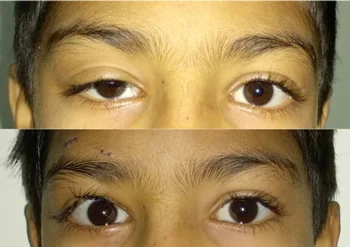
Strabismus (Crossed Eyes) is a condition where the eyes do not align in the same direction at the same time. One or both eyes may turn inward, outward, upward, or downward, affecting eye coordination and binocular vision.
Because the eyes point at different locations, the brain may struggle to combine images into a single clear 3D view, leading to suppression, double vision, or reduced depth perception.
Strabismus can develop due to difficulties in eye teaming development, genetic factors, developmental delays, or visual stress. It may occur in children or adults and can be constant or intermittent.
Common symptoms include eye strain, headaches, fatigue, double vision, or visual discomfort. Some patients may suppress one eye and notice fewer symptoms despite misalignment.
Treatment at Caring Vision Therapy begins with precise vision assessment and optimised prescription. Advanced vision therapy programmes focus on improving eye alignment, binocular integration, depth perception, and overall visual function. Depending on individual goals, treatment may aim for functional improvement or full binocular vision development.