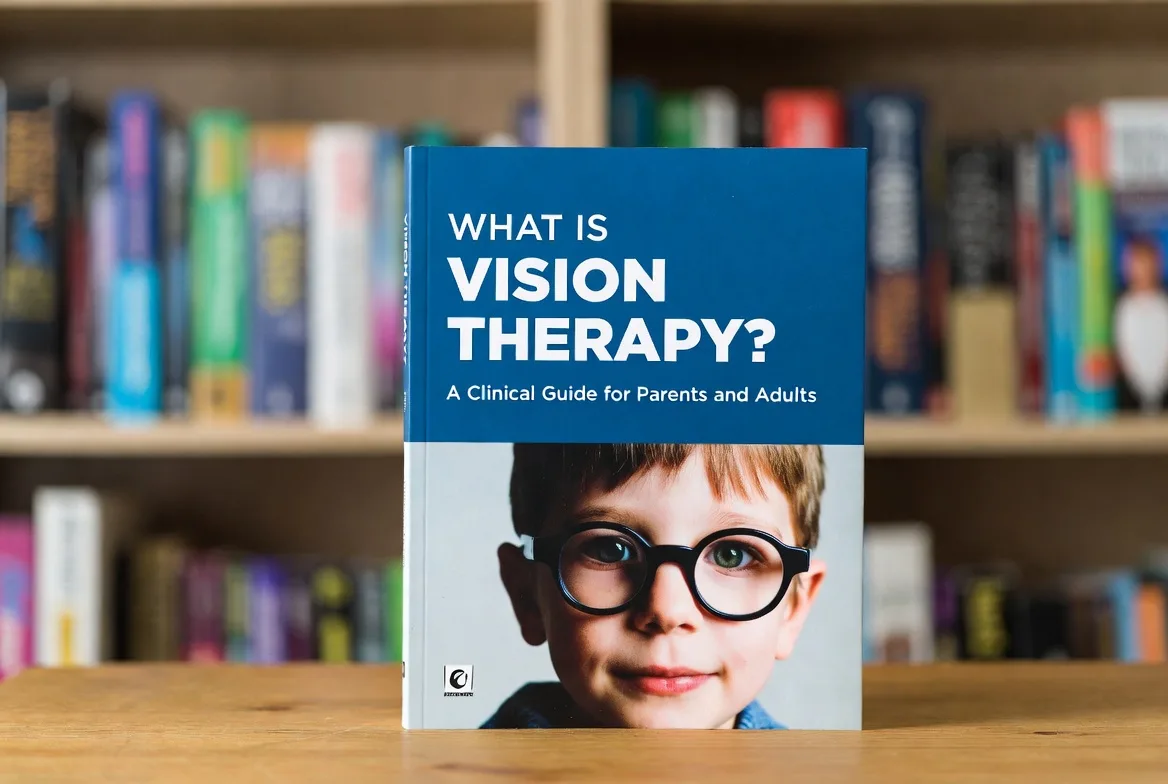

Many children who struggle with reading, attention, and learning have underlying functional vision problems that go undetected in standard eye exams. These visual inefficiencies can significantly impact academic performance, even when a child has 20/20 visual acuity.
The Link Between Vision and Learning
Approximately 80% of learning is visual. When the visual system doesn't function efficiently, children may experience difficulty with reading fluency, comprehension, handwriting, copying from the board, and sustained attention during visual tasks.
Common Vision-Related Learning Symptoms
- Skipping words or lines when reading
- Using a finger to track text
- Poor reading comprehension despite strong decoding skills
- Frequent headaches or eye strain during homework
- Short attention span for near work
- Difficulty copying from the board
- Letter or word reversals beyond age 7
How Vision Therapy Addresses Learning Challenges
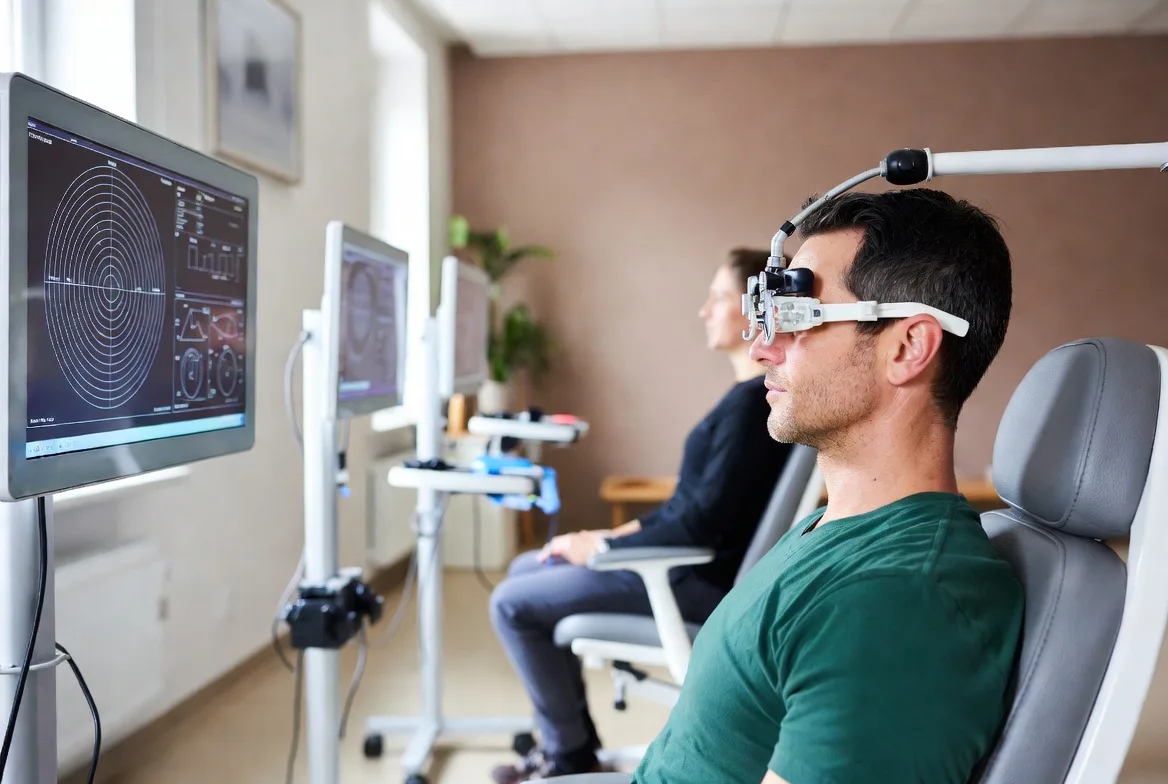
Vision therapy improves the underlying visual skills needed for efficient learning. Treatment focuses on several key areas:
Eye Tracking (Oculomotor Skills)
Smooth, accurate eye movements are essential for reading. Vision therapy trains the eyes to move efficiently across text, reducing skipping and re-reading. Improved tracking directly impacts reading speed and accuracy.
Eye Teaming (Binocular Vision)
When both eyes don't work together properly, children may experience double vision, visual fatigue, or difficulty sustaining attention. Therapy strengthens eye coordination and reduces visual stress, making sustained reading more comfortable.
Focusing (Accommodation)
The ability to quickly and accurately focus between near and far distances is critical for classroom learning. Vision therapy improves focusing flexibility and stamina, helping children maintain clear vision throughout the school day.
Visual Processing
Visual processing involves how the brain interprets what the eyes see. Therapy can improve visual memory, spatial awareness, and visual-motor integration - skills essential for reading, writing, and mathematics.
Is Vision Therapy a Cure for Dyslexia or ADHD?
Vision therapy does not cure dyslexia or ADHD. However, it can address co-occurring visual inefficiencies that make learning more difficult. Many children with these diagnoses also have functional vision problems that, when treated, allow them to engage more effectively with educational interventions.
When to Seek an Evaluation for Your Child
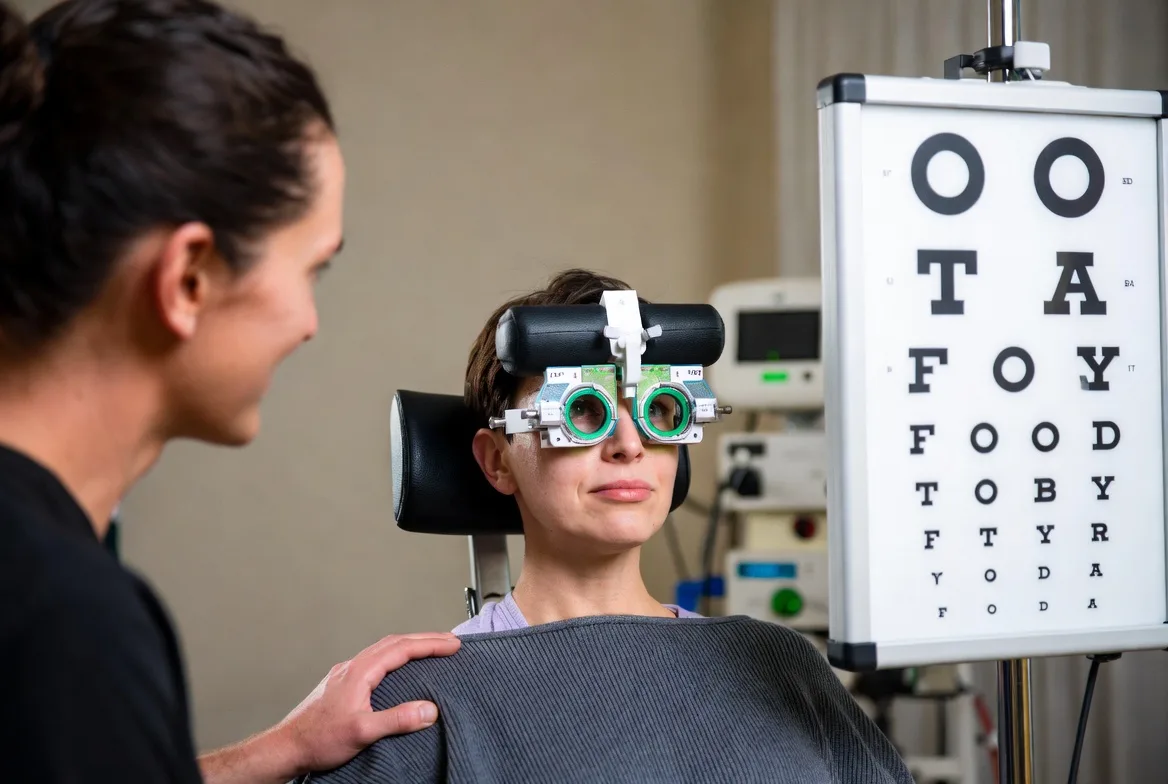
If your child struggles academically despite strong intelligence and effort, avoids reading tasks, complains of headaches, or seems to have difficulty with visual tasks, a comprehensive functional vision evaluation can identify whether vision therapy might help. Early identification and treatment leads to faster, more complete outcomes.