A common misconception is that vision therapy only works for children. In reality, the brain retains the ability to adapt and improve throughout life - a phenomenon known as neuroplasticity. Adults can and do benefit significantly from vision therapy.
Neuroplasticity and Adult Vision Therapy
Neuroplasticity refers to the brain's ability to reorganize itself by forming new neural connections. Research demonstrates that the visual system remains adaptable well into adulthood, meaning that visual skills such as eye teaming, focusing, and tracking can be improved at any age with proper therapeutic intervention.
Why Adults Seek Vision Therapy
Adults commonly pursue vision therapy for:
- Digital eye strain and computer vision syndrome
- Convergence insufficiency causing headaches and double vision
- Post-concussion or traumatic brain injury visual symptoms
- Strabismus (eye turn) affecting depth perception and appearance
- Amblyopia (lazy eye) seeking functional improvement
- Visual difficulties following stroke or neurological conditions
Common Conditions Treated with Adult Vision Therapy
Digital Eye Strain
Prolonged screen use often reveals underlying binocular vision problems. Vision therapy strengthens eye coordination and focusing stamina, reducing fatigue, headaches, and visual discomfort during extended computer or device use.
Convergence Insufficiency
This common condition makes it difficult for the eyes to work together at near distances. Symptoms include eyestrain, blurred vision, double vision, and difficulty concentrating. Vision therapy is the most evidence-based treatment, with studies showing significant improvement in adult patients.
Post-Concussion Visual Dysfunction
Traumatic brain injury often disrupts visual processing, eye teaming, and balance. Neuro-optometric rehabilitation helps restore functional vision and reduce symptoms like light sensitivity, dizziness, and reading difficulties following concussion or head trauma.
Amblyopia in Adults
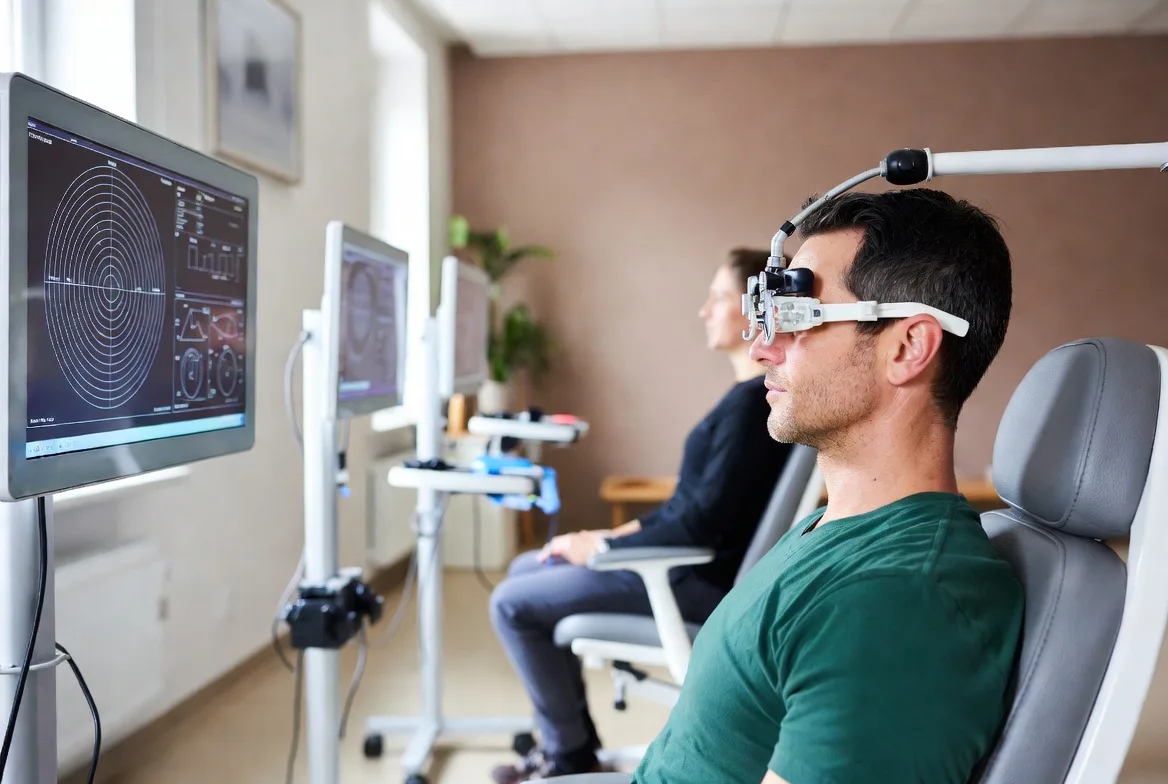
While historically considered untreatable in adults, recent research shows that vision therapy can improve visual acuity and binocular function in adult amblyopia, particularly when combined with advanced dichoptic therapeutic techniques.
What to Expect from Adult Vision Therapy
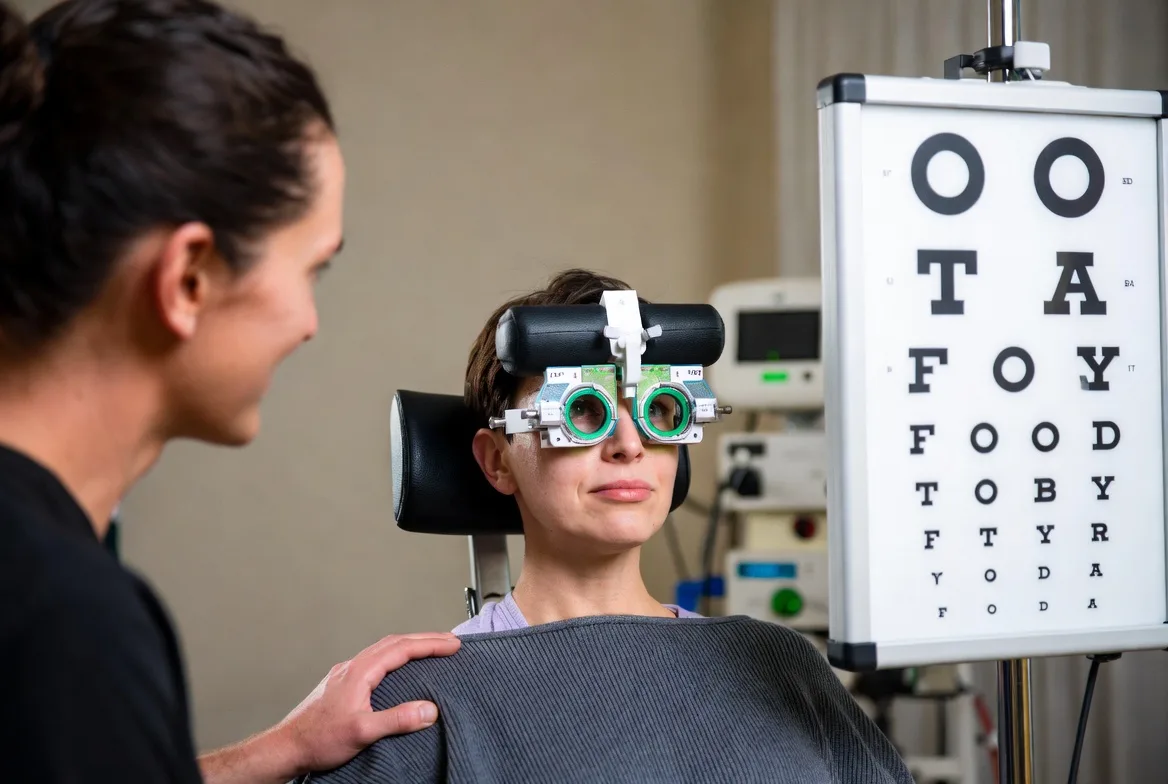
Adult vision therapy programs are customized based on comprehensive functional testing and individual goals. Treatment typically involves weekly in-office sessions combined with home-based exercises. Progress is monitored objectively, and adjustments are made based on measurable improvements at each assessment.
Treatment Duration for Adults
Most adults complete therapy in 12 to 24 weeks, though complex cases may require longer. Many patients notice functional improvements - such as reduced headaches or better reading comfort - within the first few weeks of consistent therapy.
Is It Worth It?
For adults experiencing chronic visual discomfort, work-related eye strain, or persistent symptoms following injury, vision therapy offers a non-surgical, evidence-based solution. The improvements in quality of life, work performance, and visual comfort can be genuinely life-changing. It's never too late to improve your vision.